

On a Wednesday morning at YAI’s Madison Day Hab, a group gathers around a folding table, laying out bread, turkey, ham, and cheese. Some slice, some wrap, some pack. Together, they make sandwiches for the Bowery Mission, a shelter that will serve them to people who need a meal that week. On Thursday morning, another group carries the bags downtown to deliver them.
It's one of dozens of small acts of service that happen across the Manhattan day program every week. Together these efforts quietly challenge a persistent, mistaken belief about people with intellectual and developmental disabilities (I/DD): that this is a community that receives support but rarely gives back.
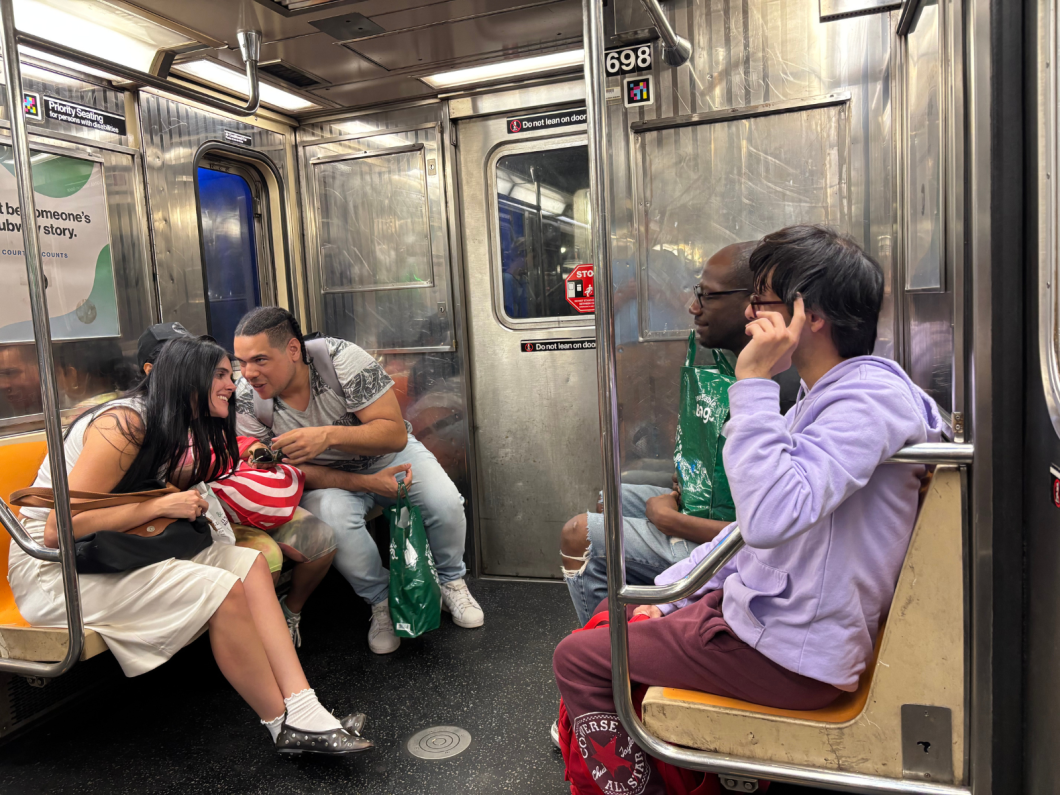
"I think the biggest misconception is that people with I/DD have limits to what they can do," said Sheldon Jones, Assistant Supervisor at Madison Day Hab, who has worked at YAI for 17 years. "You'll be surprised how well someone we support can do with a task, once they're given the opportunity. Some of them are laser-focused, and they won't stop until it's done to their liking—a level of dedication a lot of us don't always have."
That opportunity is harder to come by than it should be. According to a 2023–2024 National Core Indicators survey of over 17,000 U.S. adults with I/DD, just 28% take part in community groups. Meanwhile, 35% say they want to be more involved than they currently are. It's a striking gap: more than a third of the people surveyed want more chances to be active in their communities than they're getting, often because of transportation barriers, staffing limitations, or simple assumptions about what they're capable of.
Madison Day Hab has spent years working against that pattern. Beyond the Bowery Mission sandwiches, participants pack pantry bags and hand out groceries at two Salvation Army locations. They deliver meals to seniors and people who are blind through St. Peter's and St. Francis churches, and assemble Mother's Day spa essentials gift bags with the nonprofit Hearts of Gold.
Madison Day Hab is one example of how YAI’s day programs create opportunities for people with I/DD to give back to their communities. Across YAI, the people supported volunteer in schools, senior centers, hospitals, aquariums, festivals and other community settings, taking on meaningful roles, building relationships and sharing their time and talents with others.
For Ruben, who has been at Madison for five years and commutes there independently, volunteering has become a defining part of his week.
"I started volunteering because it's something that I get to do while I'm in program to learn more about myself and the community and also to learn about different ways I can help others, he said. "It makes me feel like I am a hero."
He's known for stepping up when a peer struggles—once, without being asked, he calmed and walked a fellow group member with a fear of birds safely past a flock outside a church.
"I remember Ruben came back and I told all the staff how amazed I was that he did that without any prompting from me at all," Jones said.
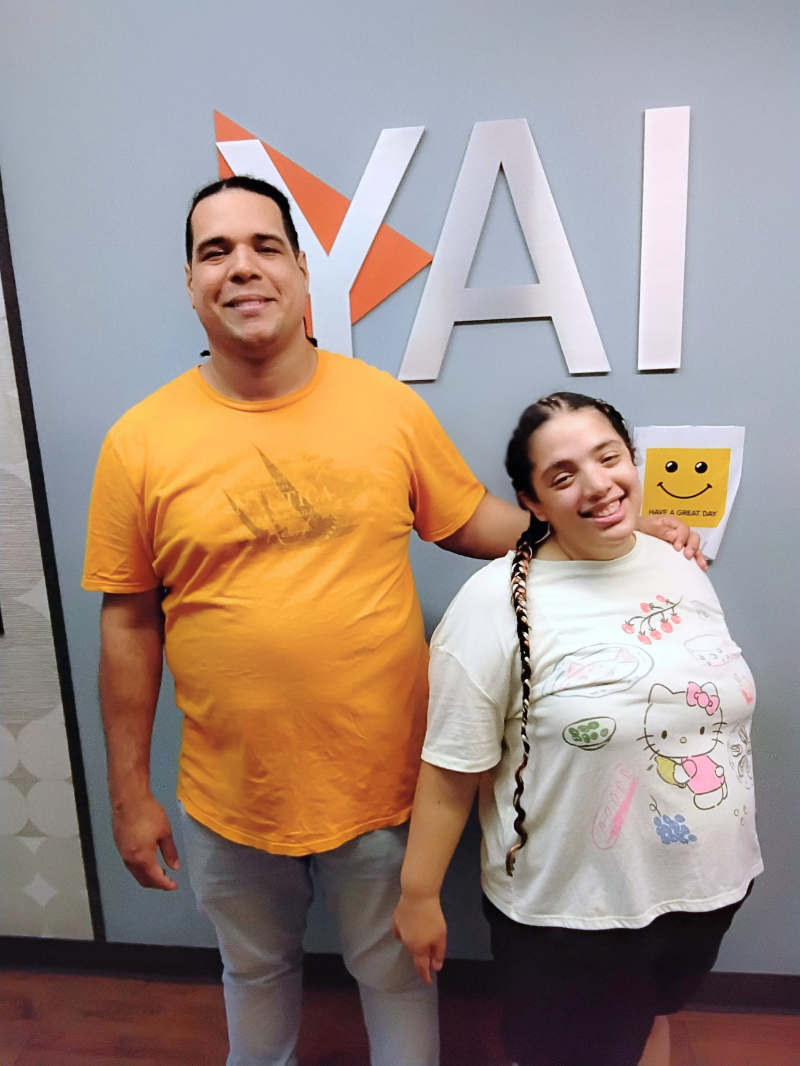
Amanda, another Madison participant, has learned to push past anxiety that once kept her from joining delivery trips. Despite feeling hesitant about heat, cold, or unfamiliar places, staff remind her that the people receiving groceries are often unable to get out and get them themselves. "She goes, and even though she's a little resistant sometimes, she comes back and says, 'Guess what I did,'" Jones said. Ruben, who is also fluent in Spanish, often helps support her through those challenging moments himself.
Jones has watched these small trips build real skills such as patience, communication, and self-advocacy. Interacting with seniors who might be short-tempered, he said, teaches participants to reflect on their own reactions. Traveling to unfamiliar neighborhoods teaches them to navigate independently. And packing bags at the Salvation Army, or handing over sandwiches at the Bowery Mission, teaches them something less tangible: that they have something to offer.
Even on days when a participant is struggling, staff have found that reminding them someone else needs their help can turn the day around. "It motivates them to come in and want to be part of it," Jones said.
The Salvation Army has recognized Madison's volunteers with an award for their years of consistent service, a small honor that Jones said meant a great deal to the group. "It's something they can look at and feel like they got rewarded for the good work they've been doing," he said. "And it's shared through the whole program, because in some way, everyone's been part of it."
For Jones, that's the point. The people he supports aren't just recipients of care — they're active members of their communities, showing up week after week for people who need them. "Getting rid of the notion that there's a limit to what they can do," he said, "I think that's the biggest thing."