

At 18 years old, many young adults are figuring out who they are, building friendships, exploring careers, and learning how to navigate the world more independently. For students with intellectual and developmental disabilities (I/DD), the desire for connection and independence is the same, but the spaces to cultivate these experiences are often limited.
That growing need became the foundation for the STAR Program at Manhattan Star Academy (MSA), a YAI affiliate school on the Upper West Side.
Launched in July 2025, STAR, which stands for Students Transitioning to Adult Roles, supports students ages 18 to 21 as they prepare for adulthood through life skills training, social-emotional development, vocational experiences, and community engagement. The program was created after MSA staff recognized that older students needed a more individualized, transition-focused approach as they prepared for life after graduation. In its first year, the program currently supports six students.
“We really wanted to develop a program that was specific to their needs,” said Lynzee Masiello, Director of Transitions at MSA. “The end goal is helping students transition into adult supports and adult roles, whether that’s supportive employment, independent living, day services, or whatever adulthood looks like for them.”
Built around a person-centered philosophy, STAR helps students become active participants in shaping their futures through self-advocacy, functional academics, healthy relationship building, and hands-on learning opportunities.
But one of the program’s biggest priorities extends beyond academics or employment preparation: building genuine social connection.
Programs like STAR are addressing a critical gap many young adults with disabilities face after leaving school. A 2024 study published in Career Development and Transition for Exceptional Individuals found that more than 75% of autistic young adults wished their social lives looked different after high school, underscoring the need for stronger transition and community-building supports.
“We really wanted to increase social opportunities,” Masiello said. “We want students to have the kinds of experiences that any other young adult would have at this age.”
To make that happen, STAR intentionally integrates students into the community. Students have YMCA memberships where they participate in activities like basketball and weight training, and they regularly practice travel skills by visiting parks, restaurants, and cafés.
The program has also built partnerships with schools including fellow YAI affiliate The International Academy of Hope (iHOPE), Rebecca School, Manhattan Children’s Center, and Brooklyn Autism Center to host monthly social events for transition-age students.
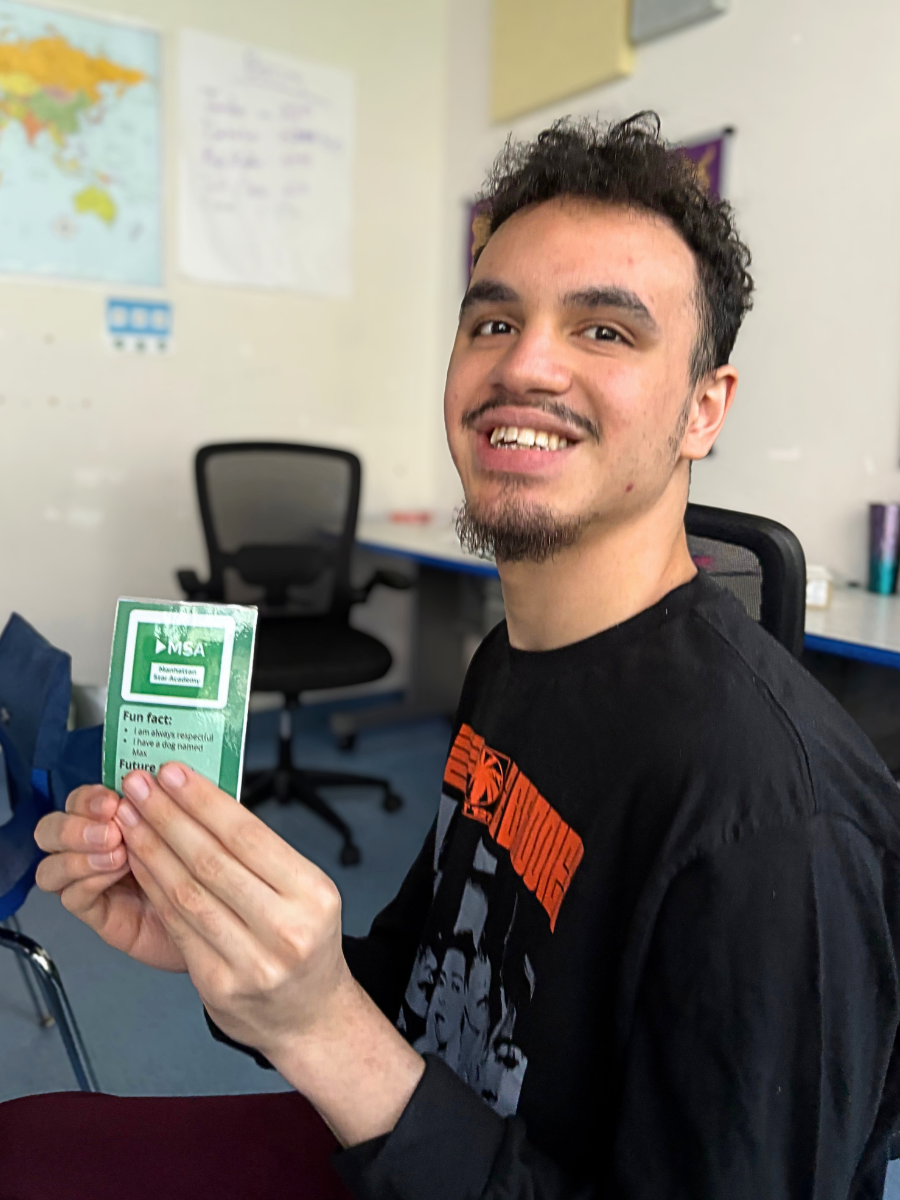
One recent event, a student-led Paint and Sip hosted at MSA, gave students the opportunity to practice planning, communication, and social interaction. Students also created personalized “trading cards” featuring their interests and goals to help spark conversations with new peers.
“I like going and planning these events because it’s fun to plan and you get to choose food and music,” said Connor, a student in the program. “The events can be hard because I get shy. I wear my headphones and take pictures of the activities, which makes me feel better.”
For another student, Jalil, those opportunities have already made a big impact.
Jalil dreams of living independently and having a job one day, but social interaction has often been challenging for him. Through STAR social events, he connected with other students who shared his interests in art and vocational experiences.
“The events helped me meet more people, and I found two people who were interested in talking,” Jalil said. “We found out we have similar internships and we both like art.”
Another student, Kali, struggled with navigating community environments and understanding others’ perspectives. Since joining STAR, she has become more engaged socially and has taken an active role in planning events and building new friendships.
“She’s started asking other people about their interests and looking forward to meeting new peers,” Masiello said.
For many families, those moments represent something much bigger than a social outing. Parents consistently identify social opportunities as one of their biggest concerns during transition planning meetings at MSA, especially because many students spend years focused on therapies, academics, and structured supports.
“When our students are at school all day, their opportunities after school can be very limited,” Masiello said. “A lot of families are looking for safe, supported opportunities where their children can build friendships and confidence.”
The program also provides additional support for students who experience behavioral challenges in community settings, helping them develop the skills needed to participate successfully in adult programs and community life.
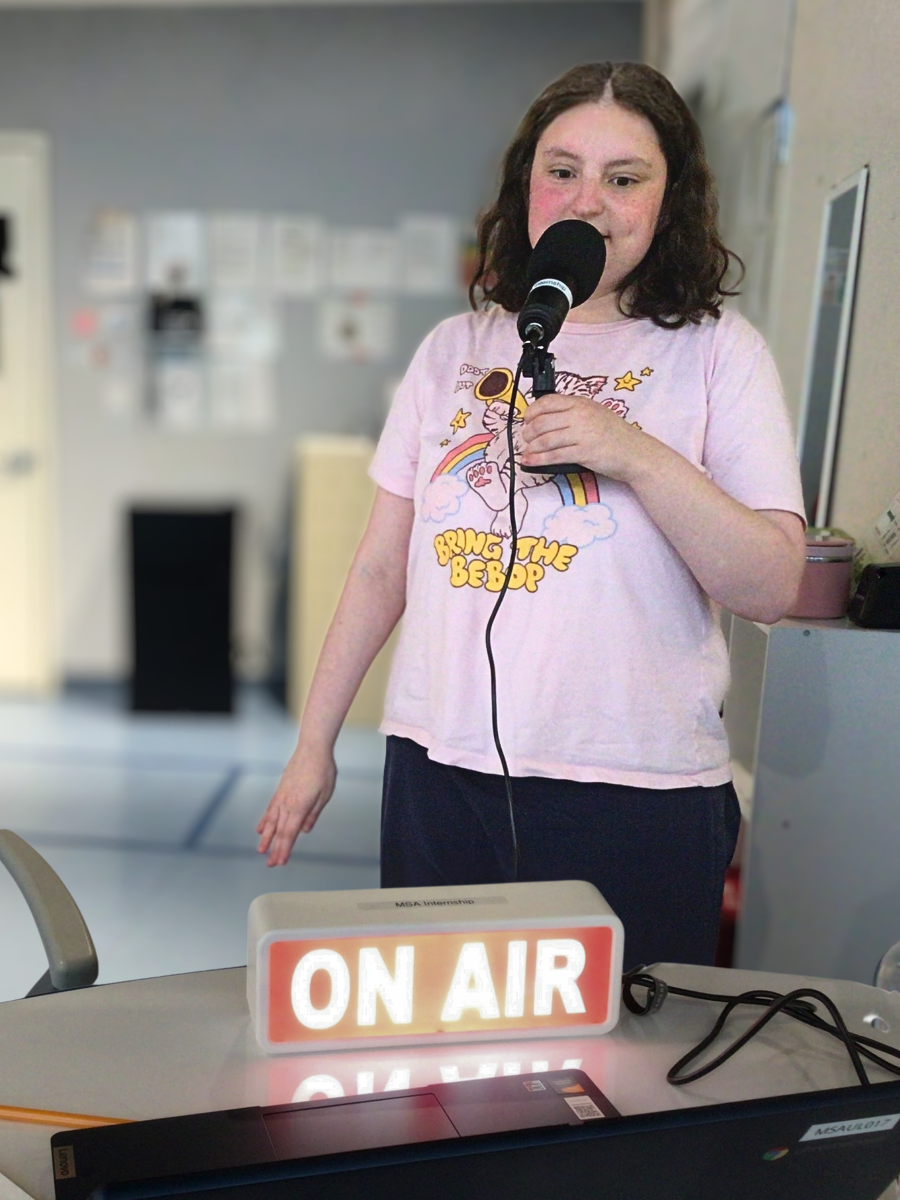
Throughout the school week, STAR students participate in life skills classes, healthy relationship groups, internships, vocational exploration, and community-based learning opportunities led by teachers, speech therapists, occupational therapists, social workers, counselors, and job coaches. Students also produce a monthly podcast, “MSA Universe,” where they build interviewing, communication, and public speaking skills while discussing topics important to them.
“We’re trying to bridge the gap between school and adulthood,” Masiello said. “Every student deserves the opportunity to build friendships, explore interests, and become an active part of their community.”